
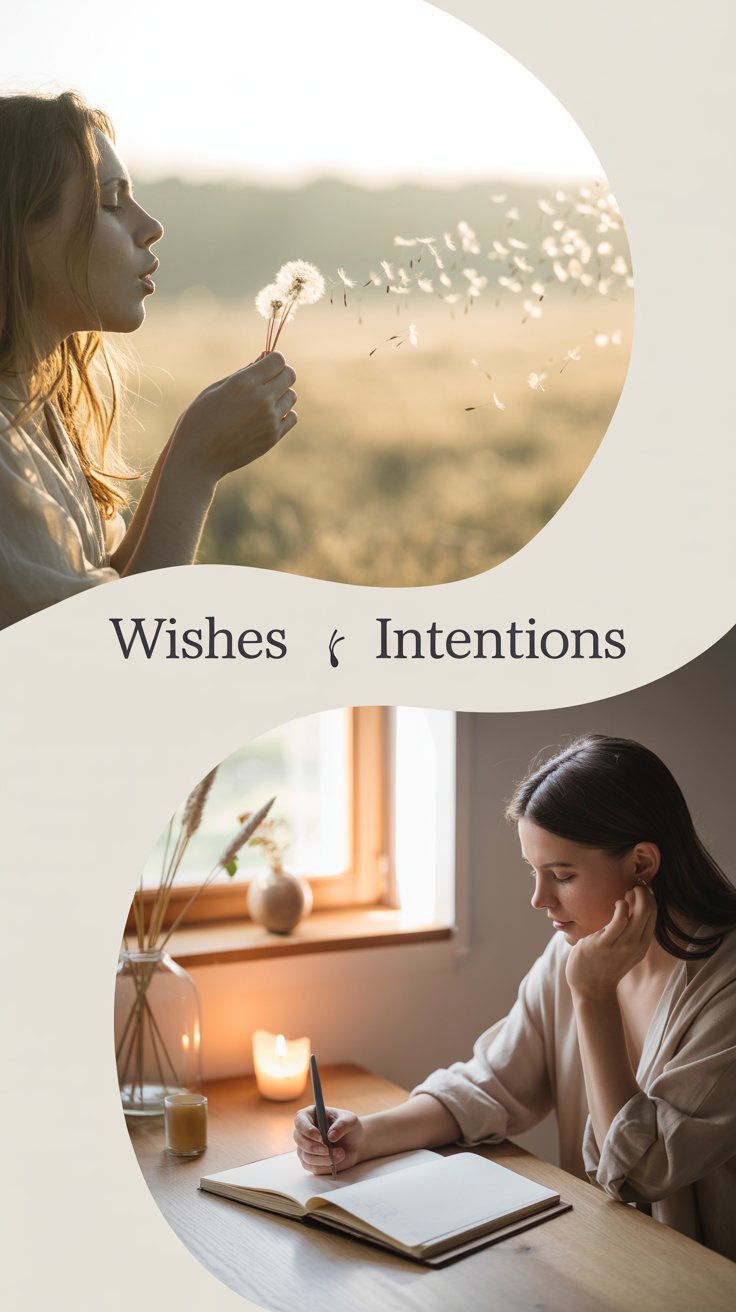
Wish vs Intentions: Understanding the Difference Between Hope and Direction
Many people quietly wish for a better life.
They wish for more peace, more clarity, better relationships, or the courage to pursue something meaningful. These wishes often surface during moments of reflection—late at night when the house is quiet, during a long walk when the mind finally slows down, or in those small pauses between busy days when something inside us whispers that life could feel different.
These moments of reflection reveal something important about the human experience. Most people sense that life could hold more meaning, more calm, or more fulfillment than what they currently feel. That awareness often appears first as a quiet wish.
Someone might wish for confidence because they are tired of doubting their own decisions. Another person might wish for deeper relationships because they feel emotionally distant from the people around them. Someone else might wish for purpose because their daily routine feels repetitive or disconnected from what truly matters to them.
These wishes are not trivial. They often reveal the deeper values and desires that live beneath our everyday routines.
However, this is where the concept of Wish vs Intentions becomes important.
A wish expresses hope for something better. It allows us to imagine a different future. But imagining change and actively moving toward change are very different experiences.
Understanding Wish vs Intentions helps transform passive hope into meaningful direction. When people begin shifting from simply wishing for something better to intentionally guiding their thoughts and actions, life begins to feel less accidental and more purposeful.
Instead of waiting for circumstances to improve, they begin participating in shaping their own experiences.
Why Wish vs Intentions Matters
The difference between Wish vs Intentions may seem small at first, but it creates a profound shift in how people approach their lives.
A wish exists primarily in imagination. It reflects a desire for something to happen, but it does not necessarily involve responsibility for making that change possible.
For example:
“I wish I felt calmer during stressful days.”
This statement reveals a real emotional need. The person recognizes that stress is affecting their well-being. But the statement remains passive. It does not introduce any movement toward change.
Now compare that with an intention.
“I intend to bring calm into my day by slowing down, breathing deeply, and creating moments of quiet reflection.”
This second statement carries direction.
Understanding Wish vs Intentions means recognizing that intentions guide behavior. They influence choices, habits, and attention. When someone sets an intention, they begin to notice opportunities to act in ways that support their desired outcome.
Instead of simply hoping for calm, they might choose to pause during stressful moments, step away from unnecessary pressure, or prioritize activities that create emotional balance.
This is why Wish vs Intentions is such an important concept in personal growth. Wishes allow us to dream about change, but intentions help us participate in creating it.
Wish vs Intentions in Daily Life
The difference between Wish vs Intentions becomes especially clear when we examine everyday situations.
Consider someone who feels disconnected from their sense of purpose.
They might say:
“I wish my life felt more meaningful.”
This statement is honest. It reflects a genuine desire for fulfillment. But without intention, the wish remains a quiet thought rather than a guiding direction.
When the same person shifts from Wish vs Intentions, their language begins to change.
Instead of wishing for meaning, they might say:
“I intend to spend time each day doing something that aligns with what matters to me.”
That intention could lead to practical actions such as:
• Spending time learning a skill that feels meaningful
• Volunteering or helping others
• Creating something artistic or thoughtful
• Reflecting on personal values and priorities
Another example might involve confidence.
Wish:
“I wish I believed in myself more.”
Intention:
“I intend to practice trusting my decisions and expressing my thoughts openly.”
In this case, the intention might lead someone to speak up in conversations, share ideas they previously kept to themselves, or take small risks that build confidence over time.
By exploring Wish vs Intentions, people begin noticing how subtle shifts in language influence their behavior and mindset.
A wish leaves life unchanged.
An intention invites movement.
The Emotional Responsibility of Intentions
Living with intention introduces a new level of emotional responsibility.
When someone moves from Wish vs Intentions, they acknowledge that their thoughts, focus, and actions influence the direction of their life.
This realization can feel empowering, but it can also feel uncomfortable at first.
Intentions gently reveal areas where growth is needed.
For example:
If your intention is to live with greater peace, you may begin noticing how often you rush through your day or take on commitments that create unnecessary stress.
If your intention is to build confidence, you may notice how often self-doubt influences your decisions.
If your intention is to strengthen relationships, you may become aware of moments when patience, listening, or honesty could improve communication.
This awareness is not a sign of failure.
It is a sign of growth.
The purpose of intention is not perfection. It is alignment.
Each time you recognize that your actions have drifted away from your intention and gently guide yourself back, you strengthen your awareness and self-understanding.
This repeated process of noticing and realigning is where real change occurs.
Why Wish vs Intentions Creates Real Change
Understanding Wish vs Intentions changes how we experience the world because intentions shape our attention.
Human attention works like a filter. When our mind holds a clear direction, we begin noticing opportunities that support that direction.
For example, if your intention is gratitude, you may begin noticing small moments that previously passed unnoticed.
The warmth of sunlight through a window.
A kind message from a friend.
A quiet moment of stillness in the morning.
These moments were always present. Your intention simply trained your mind to notice them.
If your intention is patience, you may begin recognizing moments when slowing down improves your response to challenges.
If your intention is courage, you may become more willing to take small steps that previously felt intimidating.
Over time, these small shifts accumulate.
The difference between Wish vs Intentions becomes visible through daily behavior.
Instead of reacting automatically to circumstances, people begin responding thoughtfully to them.
Life becomes less about waiting for change and more about guiding personal growth.
A Simple Practice for Moving from Wish vs Intentions
Intentions do not need to be complicated to be effective. In fact, the most powerful intentions are often simple and repeated consistently.
Here is a simple daily practice that helps transform Wish vs Intentions into lived experience.
Pause Before the Day Begins
Before checking messages or beginning daily tasks, pause for a moment of quiet reflection.
Even one minute of stillness creates space between yesterday and today.
Ask Yourself a Guiding Question
Instead of asking what you need to accomplish, ask:
“How do I want to show up today?”
Possible answers might include:
calm
focused
patient
courageous
curious
Turn That Answer Into an Intention
Transform the word into a simple sentence.
Examples:
“Today I intend to approach challenges with patience.”
“Today I intend to move through my work with calm focus.”
“Today I intend to stay open to learning and growth.”
Connect Your Intention to Action
Intentions become powerful when they influence behavior.
If your intention is calm, you might pause and breathe slowly during stressful moments.
If your intention is courage, you might take a step toward something you have been avoiding.
Small actions transform intentions into lived experience.
Moving Beyond Wish vs Intentions
The shift from Wish vs Intentions may appear subtle, but it changes how we relate to our lives.
When people rely only on wishes, the future remains something they hope will improve someday.
When they begin setting intentions, the future becomes something they actively participate in shaping.
Intentions do not eliminate uncertainty or challenges. Life will always contain moments of difficulty, growth, and change.
But intentions provide direction.
They help guide attention, choices, and habits toward what truly matters.
Over time, these small intentional choices accumulate.
A calmer response in a stressful moment.
A courageous decision that leads to new opportunities.
A habit that slowly replaces an old pattern.
Real transformation rarely happens overnight. It emerges through consistent choices repeated over time.
This is the true power behind understanding Wish vs Intentions.
Not instant results.
Not dramatic transformation.
But the steady alignment between what you value and how you choose to live.
And within that alignment, a meaningful life begins. ✨
Leave a Reply